
A separate residence, designed with purpose.
Natural light. Quiet comfort.
Precise details, enduring quality.
ADU Construction Contractor in the East Bay | Taragano
Taragano Design and Build is a licensed design-build ADU contractor, CSLB #1143420, that designs, permits, and constructs ADUs across the East Bay and Contra Costa County. One team manages architecture, structural engineering, and construction under a single contract. Since 2014, Taragano has completed more than 100 projects and holds Diamond Certified and BBB accreditation, with a one-year workmanship warranty on every job.
Get Your Free ADU Site VisitWhat Is an ADU?
An ADU, or accessory dwelling unit, is a permanent second home built on a property that already has a house on it. It has its own kitchen, bathroom, entrance, and sleeping area, and the people living there can live fully independent of the main house. State law sets the size range: detached ADUs can be built up to 1,200 square feet, and attached ADUs up to 50% of the existing home’s size or 1,200 square feet, whichever is less. A JADU, or junior ADU, is a smaller, separate category, capped at 500 square feet and built only within the existing walls of the main house, a converted bedroom or garage space inside the structure itself, not a detached building. A detached garage conversion is legally an ADU, not a JADU, since JADUs cannot be created in a separate structure.
Types of ADUs We Build
Detached ADUs
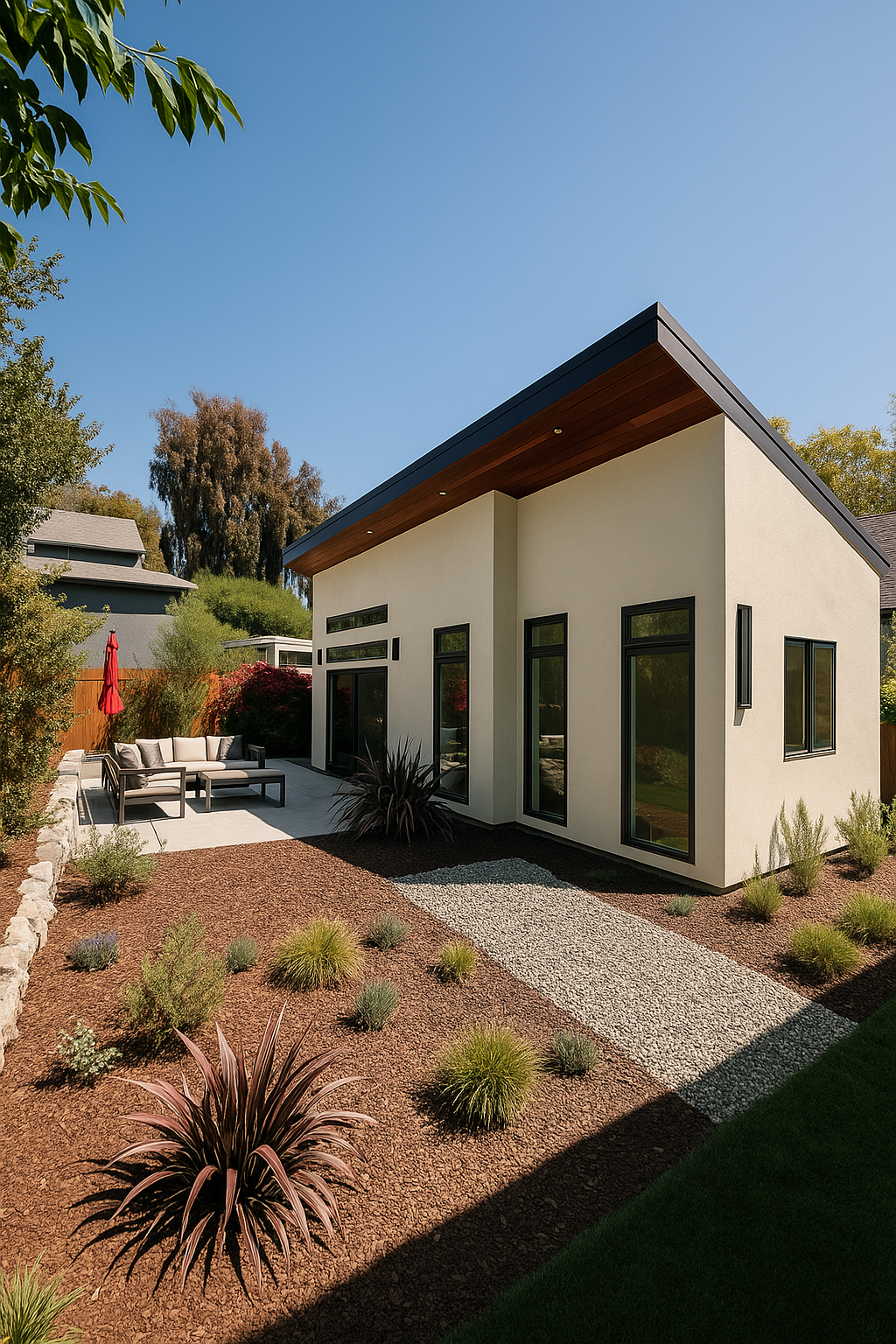
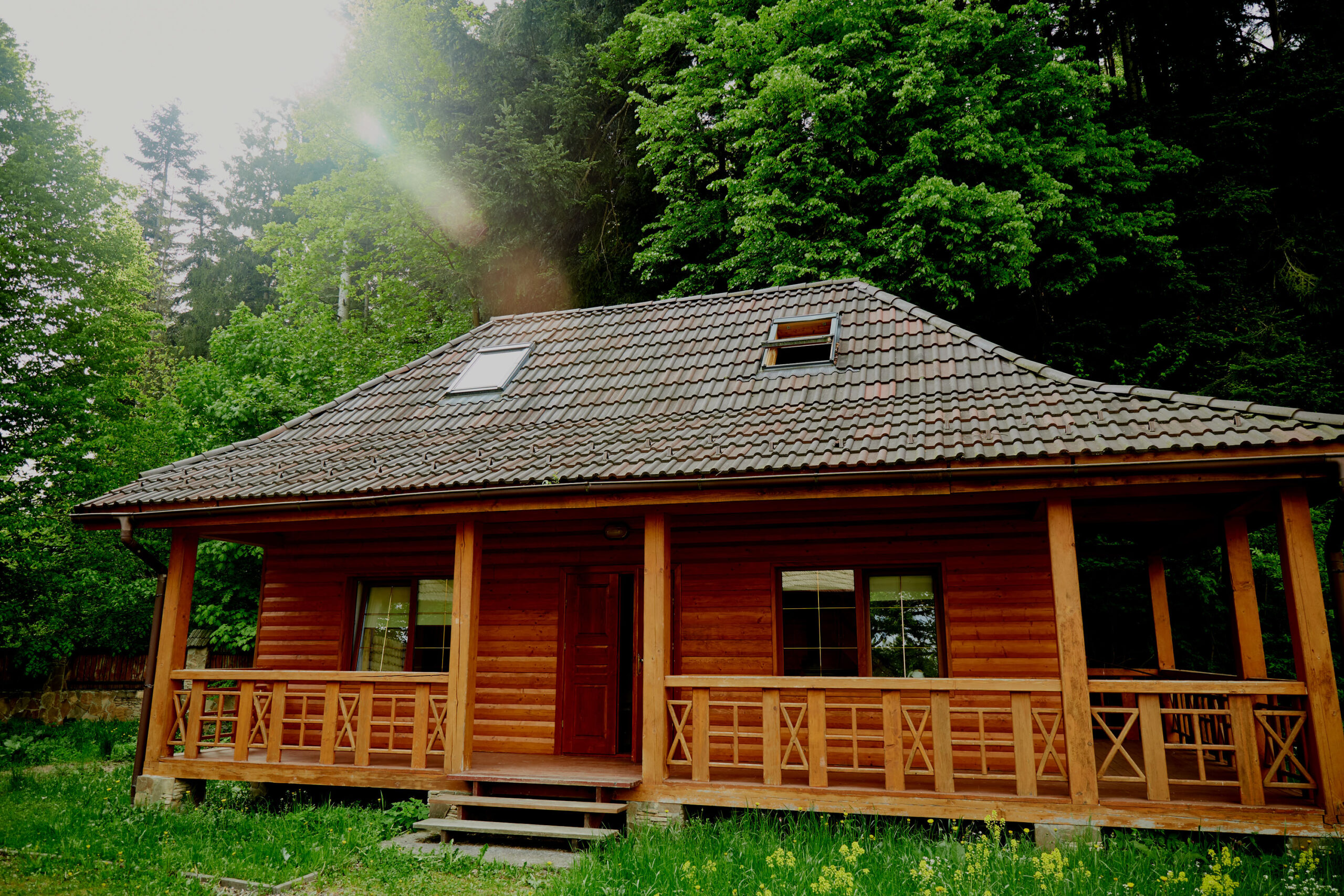
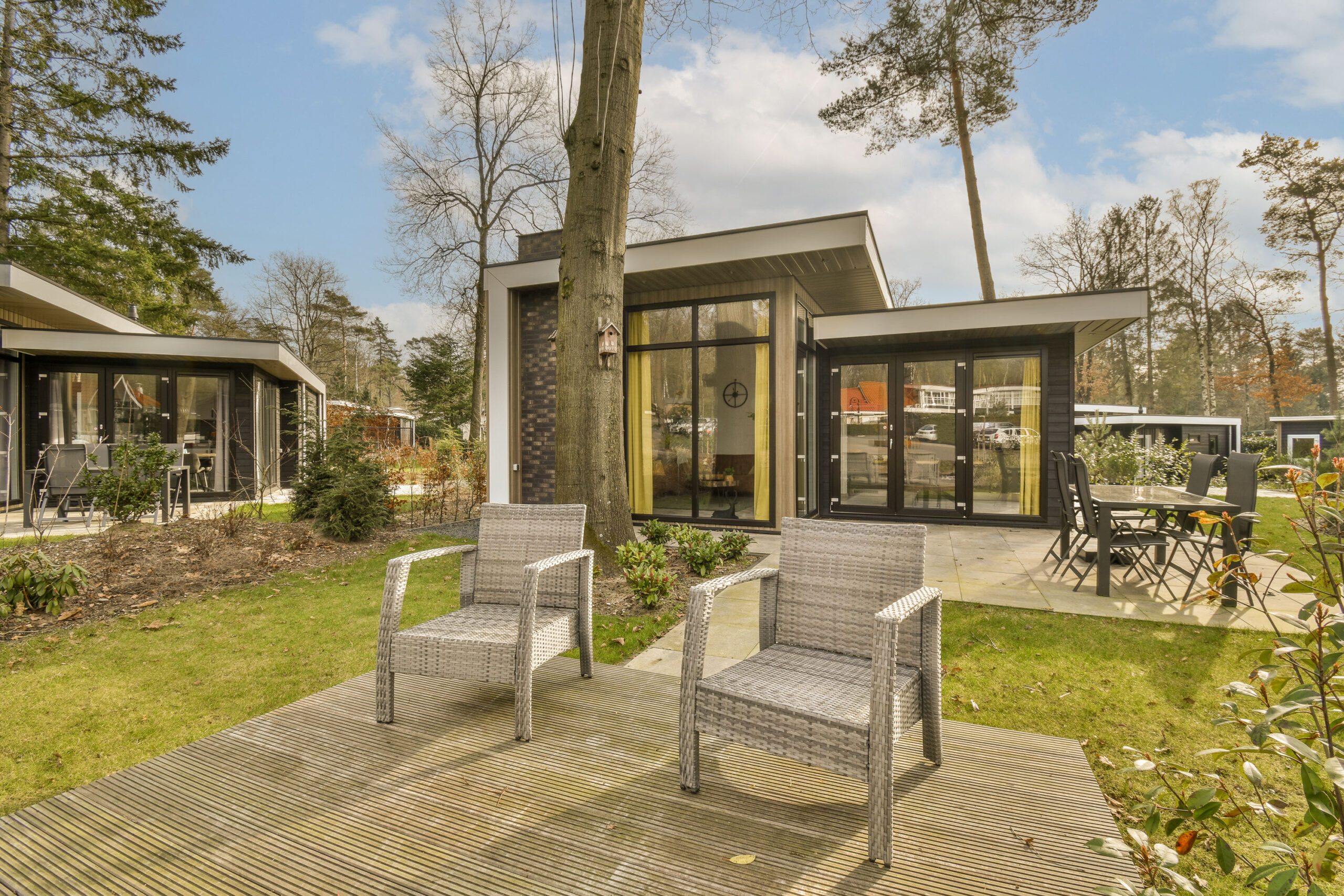
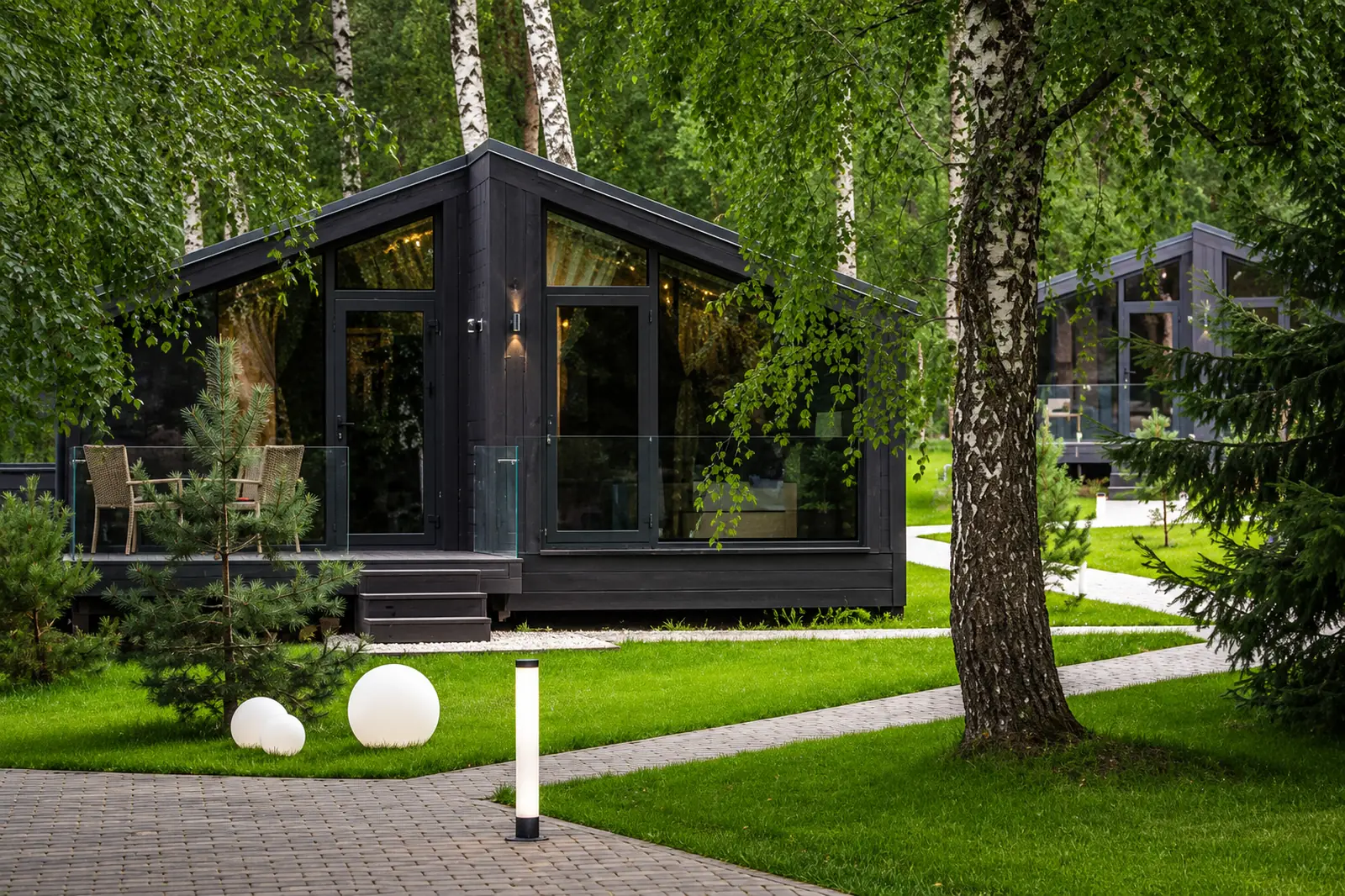
A new backyard cottage, separate from your house. It offers the most privacy and the most design freedom. Cities typically assign it its own address, and PG&E requires a separate electric meter for the unit.
Attached ADUs
Built as an addition to your home, sharing a wall but with its own entrance. A separate electric meter is optional here, homeowners can choose separate metering, submetering, or shared service with the main house.
Garage Conversions
We turn your garage into a living space, often the quickest path to an ADU since the structure already exists. PG&E treats a converted garage the same as a detached unit for metering, a separate meter is required even though the walls were already standing.
Junior ADUs (JADUs)
A small unit built inside your existing home. If it shares a bathroom with the main house, state law requires the owner to live on the property; if it has its own bathroom, that requirement drops. JADUs cannot be used as short-term rentals.
Why Build an ADU?
California ADU permits grew twentyfold between 2016 and 2023, and East Bay homeowners keep coming back to the same four reasons: rental income, space for family, a dedicated workspace, and added value. A second unit lets aging parents or adult children live close while keeping their own space. A backyard studio makes a quiet, separate office. And a well-built ADU adds real resale value, the kind of feature East Bay buyers actively look for.
What Determines Your ADU’s Cost
No two ADU projects cost the same, because no two lots are the same. The site itself, more than the square footage, is what actually shapes your budget, and understanding why is more useful than a number that won’t apply to your property.
Detached units require an independent foundation and a full set of new utility connections, which is why they cost more to build than an addition that ties into what already exists. A garage conversion sits at the other end, since the structure and foundation are already there. Our garage conversion guide covers that path in detail.
Distance from the main house matters as much as the unit type. The farther your ADU sits from the house, the more trenching it takes to run water, sewer, and electrical service out to it, which is one of the first things we evaluate at your site visit.
Terrain plays a large role too. A flat, easily accessed lot is the simplest build. A sloped or downhill lot often needs retaining walls, engineered grading, or a stepped foundation, and a second story, including one built above an existing garage, carries its own structural requirements. Soil condition factors in as well, some East Bay lots need deeper or reinforced footings depending on what’s underneath.
This is why we walk your specific property before any design work begins. An ADU is a long-term investment in your home, and getting the site conditions right from day one is what protects that investment, not the lowest bid on a generic floor plan.
Our Design-Build Process
The First Call or Email
Tell us about your property and what you’re picturing, a detached cottage, a garage conversion, or an attached unit. We ask about the lot, the existing structure, and your timeline, then schedule a free site visit if it looks like a fit.
The Site Visit
We walk the property in person and check what’s already there, an existing garage, the distance from the main house, slope, and access, then confirm which ADU type actually fits the lot before any design work starts.
Design and Permits
An ADU needs its own architectural plans, structural engineering with calculations, and Title 24 energy documents. Depending on the property, the city may also require a survey to confirm property lines and setbacks, a soil report, a sewer lateral report, a separate plumbing layout, or Green Halo waste diversion compliance. We identify which of these your specific lot and city require before design begins.
Proposal and Permit Submittal
We bring the plans back to the office and review the full scope with our construction team before anything is submitted. For a detached ADU or garage conversion, this often includes assigning a separate address and coordinating a separate PG&E electric meter. In Lafayette and Orinda, Contra Costa County issues the building permit even though the town handles planning approval, an extra step homeowners in Danville, San Ramon, or Walnut Creek don’t encounter. Once you approve the scope, we submit for permit and handle every question that comes back.
Construction
A dedicated project manager runs the site, protects the rest of your home from the build, and keeps you updated on a written schedule. We close with a final walkthrough, a completed punch list, and a one-year workmanship warranty.
Already have plans and permits? Bring them. We are glad to build from your drawings, and you save on design fees.
ADU Rules in the East Bay
California law now makes it hard for cities to say no. Most lots qualify, and there is no minimum lot size in most East Bay cities. For an ADU up to 800 square feet, state law caps side and rear setbacks at 4 feet, no city in Contra Costa or Alameda County can require more. Larger or two-story units can face stricter setbacks, and front setbacks follow the same rule as the main house, so those vary by city. Cities must review a complete application within 60 days, per the California HCD Accessory Dwelling Unit Handbook. Two things catch homeowners off guard. First, PG&E requires a separate electric meter for detached ADUs and garage conversions, though attached ADUs and JADUs can typically use the existing meter. Second, in Lafayette and Orinda, Contra Costa County issues the building permit even though the town handles planning approval, an extra step homeowners in Danville, San Ramon, or Walnut Creek don’t run into, since those cities issue permits directly. Even so, each city sets its own limits on size, height, and parking. That is why local knowledge matters.


Choosing Your ADU Contractor
One team owns the whole job. Many ADU projects go wrong in the gaps between the architect, the city, and the builder. We remove those gaps. We team up with the same trusted architects and engineers on every project.
We are Diamond Certified, hold 5.0 stars on Google and Houzz, and rank in the top 2% of California contractors on BuildZoom. Licensed under CSLB #1143420, bonded, and insured.
ADUs by City
We build ADUs across the East Bay and Contra Costa County. For local rules, permits, and projects, see the five cities we focus on. Each link goes to that city’s ADU section.
ADU Questions, Answered
What determines an ADU’s cost in the East Bay?
Site conditions matter more than size: distance from the main house, terrain, and whether it’s detached, attached, or a garage conversion. We walk your property before discussing any number.
How long does it take?
Plan on two to four months for design and permits. Construction adds four to eight months more. Sloped lots can take longer.
Do I need to add parking?
Often no. Many East Bay cities waive parking near transit. Walnut Creek requires no ADU parking at all.
Can I rent out my ADU?
Yes. Long-term rentals are allowed in every city we serve. Most require a term of 30 days or more.
Will an ADU raise my property taxes?
Only in part. Your current home is not reassessed. The county adds only the value of the new unit.
Ready to Start?
Call or text (925) 388-6353 for a free site visit. We serve Danville, Lafayette, Orinda, San Ramon, Walnut Creek, Concord, and the greater East Bay.
